

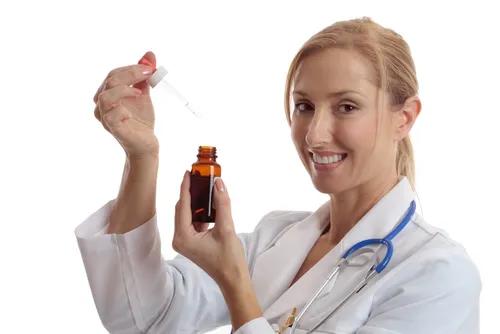
A young nurse with a medicine bottle in her hands.
I. Introduction
Nurses do key work in healthcare and focus on the patient to help individuals and communities get better results for their health. Healthcare changes often, and using complete nursing methods is now much more common. These methods assume that physical, mental, and spiritual health connect. Nurses can take broad nursing classes during their education to build skills to give better care to their patients. These classes help them move up in their careers and give them skills for current medical needs. They support a complete view of health that combines many parts of well-being and helps teams work together. These classes change how nurses work and lead to more job satisfaction and more chances to grow in the nursing field. They provide many ways to succeed.
A. Overview of holistic nursing and its growing significance in healthcare
Whole-person nursing is now a key part of modern medical care. This method shows how physical, emotional, and spiritual health all connect together. Medicine is changing, so focusing on the patient is more important for better recovery results. These nurses look at every part of a person rather than just their symptoms. (Chen et al., 2024) It creates a broad care model that brings different parts of health together into one plan. This nursing style helps manage complex needs. It builds a strong bond between the nurse and the patient. For example, research shows that using these practices makes patients happier. It makes local health systems stronger for everyone. Schools are changing their classes too. Courses in this field are now necessary for nurses who want to improve their skills and move up in their jobs. The medical world keeps evolving.
II. Enhancement of Clinical Skills
Nurses grow professionally by improving clinical skills. Holistic nursing courses help with this growth. These classes show how physical, mental, and spiritual health connect. They prepare nurses to give broad care that goes beyond standard medical methods. Nursing schools include Complementary and Alternative Medicine (CAM) therapies. These practices improve patient health and build deeper bonds between nurses and patients. These stronger ties lead to higher patient satisfaction. History supports these goals. Florence Nightingale and other pioneers showed that nurses must care for the whole person. Her work remains a base for the goals of holistic nursing. Holistic nursing education helps practitioners improve their skills. This training leads to a more inclusive and effective healthcare experience.
A. Integration of holistic approaches to improve patient care and outcomes
Combining whole-person methods with daily nursing work is necessary to improve patient care and health results. Whole-person nursing focuses on complete care by looking at the physical, mental, and spiritual parts of human health. These many-sided methods follow the nursing values found in academic books and make the overall patient experience a better one. Links between whole-person care and combined health programs help different medical experts work together on one team for the patient. This cooperation makes care more steady and works better for every single patient. By following these whole-person values, nurses improve patient cooperation and satisfaction and build a strong career base for the future. (Recto et al., 2023) Classes in whole-person nursing help professionals improve their own skills and give the best care to their patients every day.
III. Career Advancement Opportunities
Adding whole-person nursing classes to your training helps you get better jobs. These classes teach you to focus on the patient and give you skills for many complex needs. This helps patients get better and improves their health results. People have noted that nursing in Ghana has problems like crowded schools and poor buildings. These problems make special training very necessary. Whole-person nursing rules create a broad way to treat patients. This fits with current changes toward combined practices that make nurses more valuable in different settings. Taking these classes can make you happier at work. They help you move up in your nursing career.
A. Expanding professional roles and specialization options through holistic nursing certification
Links between whole-person care and combined health programs help different medical experts work together on one team for the patient. This cooperation makes care more steady and works better for every single patient. By following these whole-person values, nurses improve patient cooperation and satisfaction and build a strong career base for the future. (Gershuni et al., 2023) It improves work in clinics that focus more and more on the needs of the patient. Research shows that accreditation brings many benefits. These credentials make nursing schools better and create paths toward senior nursing jobs. Health care leaders want nurses to keep learning. They support advanced degrees. This support makes training in whole-person methods even more valuable. So, holistic nursing certificates help nurses get better jobs. They lead to better health for patients in every clinic and hospital.
IV. Conclusion
Holistic nursing courses offer many chances for career growth and better work. These classes improve the quality of care that nurses give to their patients. They promote a broad method that goes beyond standard medical work. These courses include physical, mental, and spiritual health factors in nursing education programs. By using this model, nurses build key skills for their jobs. These skills have high value in the various medical settings of today. Programs like holistic admissions review (HAR) show a promise to make the nursing workforce diverse. They recognize that different viewpoints help patient care in many ways. These skills help career growth and lead to more effective and kind care. This practice is an increasing and major part of modern nursing.
A. Summary of how holistic nursing courses contribute to professional growth and improved healthcare delivery
Classes in whole-person nursing help professionals grow by giving nurses broad skills. These skills improve the way nurses provide medical care. The lessons show how physical, mental, and spiritual health link together. This focus helps nurses treat patients with more empathy. Nurses use these ideas daily and are ready to meet many different patient needs. This improves health results and builds a medical setting that focuses on people. These programs push for constant learning, and this training keeps the nursing staff skilled and capable. Nurses learn advanced skills and facts that match government promises to help staff grow and move up in their jobs. This support keeps the system strong. Nurses take part in this education to move ahead in their careers. They help build a medical system that works better and shows more compassion.
References