

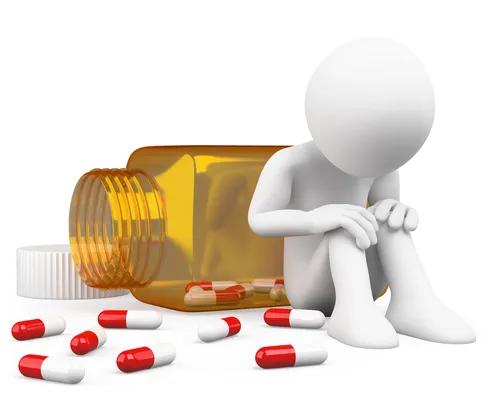
Substance Abuse
Introduction
Substance abuse is a major public health problem. People often mix alcohol with their prescription drugs. Combining these two substances causes dangerous health problems. The mix makes current illnesses worse and helps start a cycle of addiction. Many people drink alcohol to lower their stress levels. They use it to increase the high from certain medicines. This habit clouds judgment and makes medication work poorly. It raises the risk of a fatal overdose. We must understand why people take these risks. This knowledge helps us create better ways to prevent and treat the problem. We must spread the word about the dangers of mixing alcohol and pills. This information helps people make better choices for their health and their safety.
Please also review AIHCP’s Substance Abuse Counseling Program
A. Definition and overview of substance abuse involving alcohol and prescription drugs
Substance abuse involves the harmful use of alcohol and prescription drugs. This behavior leads to serious health, social, and legal problems. Alcohol abuse means drinking too much, and this habit often leads to dependence or addiction. Users develop a high tolerance and face withdrawal symptoms. Prescription drug abuse occurs at the same time. People use medications like opioids, benzodiazepines, or stimulants for the wrong reasons. They take higher doses than a doctor ordered or use them without a prescription. Mixing these substances makes physical and mental health issues worse. This choice increases the risk of an overdose or causes dangerous interactions between the chemicals. We must understand these patterns to stop widespread abuse. People often do not realize the danger of mixing alcohol and prescription medications in their daily lives.
II. Health Risks Associated with Mixing Alcohol and Prescription Medications
Mixing alcohol with prescription drugs creates serious health risks. These risks can hurt a person's health. Many drugs like antidepressants, benzodiazepines, and opioids have their own side effects. Adding alcohol to the mix makes these side effects even stronger and leads to danger. For example, alcohol makes the sleepy effects of medicines stronger. This causes more drowsiness and poor coordination. It makes accidents or serious overdoses more likely. Alcohol can stop some drugs from working well for the patient. This removes the help they provide and makes a health condition worse. This problem affects more than just one person. It is a public health worry. People can hurt their health without knowing it. They do not know about these bad pairings. People must know what happens when they mix alcohol and prescription drugs. This knowledge keeps everyone safe and healthy (Holten, et al., 2017).
A. Physical and mental health consequences of combined substance use
Mixing alcohol and prescription drugs creates risks for physical and mental health. These substances interact to cause many harmful effects. Physically, this combination worsens how both substances slow down the body. It can cause slow breathing, poor motor skills, and a higher chance of overdose. These interactions strain major organs like the liver. This organ must work harder to process both alcohol and various medicines. Mentally, people may feel more anxiety, mood swings, and trouble thinking. These drug interactions strengthen such effects and worsen mental health issues. Regular use of both substances can lead to addiction. This creates a cycle. People drink or take more pills and their health declines. Understanding the consequences of using both substances helps doctors create better treatment and prevention plans.
III. Social and Legal Implications of Drinking with Prescriptions
Mixing alcohol with prescription medicine creates social and legal problems. People often underestimate the risks, and our culture frequently ignores the dangers of mixing these substances. This behavior leads to substance abuse and makes the drugs more dangerous. Legal issues bring more worries. People face penalties for impaired driving or other crimes under the influence. This happens even with a real prescription. These issues show we need public awareness campaigns and strict rules. These actions reduce health risks and social problems from this behavior (Sorge, et al., 2020).
A. Impact on relationships, employment, and legal issues arising from misuse
Misusing prescription drugs, mainly mixed with alcohol, creates major problems. These issues hurt the individual and affect their relationships, jobs, and legal standing. Friends and family members lose trust in each other, and relationships then suffer. This loss of trust causes people to feel alone. It creates emotional pain for the individual and their family too. Substance abuse at work leads to less work getting done. It causes more missed days and a higher chance of accidents. These factors ruin chances for a promotion and put jobs at risk. Bad judgment leads to legal trouble. This can include criminal charges or lawsuits from reckless acts. Together, these problems show the personal cost of substance misuse. They show larger issues for society that need fast action and help.
IV. Conclusion
Mixing alcohol and prescription drugs creates a hard problem. It requires more awareness and fast action. The number of people using drugs and alcohol continues to rise. People need to learn about the dangers of mixing these substances. These risks hurt more than just personal health. The effects touch families, neighborhoods, and whole medical systems. Medical providers have a big role to play. They check patient medicine lists and talk about what happens when people drink alcohol. Leaders can build a space for honest talk and lessons about drug use. This helps lower risks, and solving this deep problem takes teamwork. Individuals, medical providers, and lawmakers must work together. They must build strong plans that put safety and wellness first in a country facing addiction.
A. Summary of key points and the importance of awareness and prevention measures
People must understand how prescription drugs and alcohol interact to reduce the risk of substance abuse. Mixing these substances affects health and wellness, so we must recognize the dangers. Main points include a higher risk of addiction, worse side effects, and damage to mental and physical health. Prevention steps like risk education, clear talk between patients and doctors, and using support systems help fight this growing problem. Society can create a setting for people to get the facts and make safe choices. This gives people power and greatly lowers the number of substance abuse cases from mixing prescription drugs and alcohol. Better awareness and effective prevention plans will lead to healthier communities.
Please also review AIHCP’s Substance Abuse Practitioner Program
References
Holton, A., Gallagher, P., Fahey, T., & Cousins, G. (2017). Concurrent use of alcohol interactive medications and alcohol in older adults: a systematic review of prevalence and associated adverse outcomes. BMC Geriatrics. https://link.springer.com/article/10.1186/s12877-017-0532-2https://link.springer.com/article/10.1186/s12877-017-0532-2
Sorge, J., Young, M., & Maloney, B. (2020). Estimation of the impacts of substance use on workplace productivity: a hybrid human capital and prevalence-based approach applied to Canada. Hall. https://link.springer.com/article/10.17269/s41997-019-00271-8https://link.springer.com/article/10.17269/s41997-019-00271-8