

As a Forensic Nurse, you have to have the gift of being clinically astute but practically policed & be able to absolutely marry those two arts where when the first patient rolls in on your radar – their care and evidence preservation commences.
Your baseline are your clinical judgment skills: good history taking, focused physical assessment, knowing what signs of assault or neglect or injury look like. Sexual Assault Nursing Exam training and certifications, like SANE, enhance your ability to properly collect forensic specimens without risking patient safety. Forensic Nursing is based on the healing and investigating processes in clinical settings.
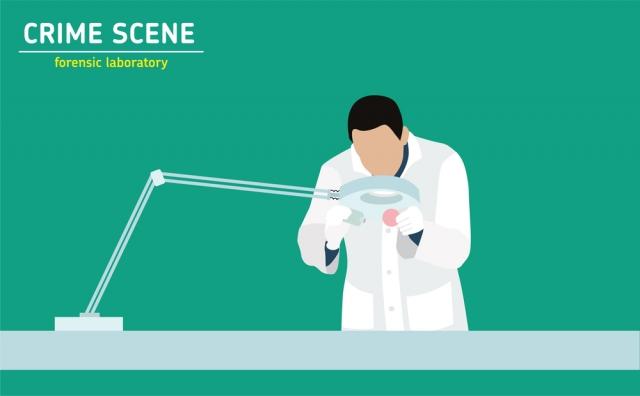
Evidence Collection & Chain of Custody Your proficiency in evidence collection and chain of custody safeguards your prosecutions as well as the rights of patients. You need to be able to swab, record wounds take clothing and package so as not to contaminate your samples. Identification of evidence, storing in a safe place and maintaining an easily understood log showing the transfer record are essential to keeping your evidence admissible.
Your paperwork and law is as essential as what you know how to do in the clinic. The knowledge that you are being transparent and accurate in your note taking will hold up under the scrutiny of the law. Knowledge of local laws, child abuse reporting laws, court preparation practices and patient consent guidelines will guide you during interactions with law enforcement, justice system officials.
How you communicate is what makes patients safe telling you something embarrassing. The use of trauma-informed, nonjudgmental language and seeking informed consent are respectful and restorative. Cultural humility, and expanded language access, also ensure diverse patients are treated equitably, and that their cultural attributes are made part of assessments.
Your capacity to partner with cross-functional teams enhances results. You work with emergency medicine, mental health and social services, forensics labs, and prosecutors. Clear transitions, relevant forensic Nursing Training updates for all team members, and involvement in case reviews result in better patient and legal outcomes.
So let your continuing education keep your practice fresh. Participating in Forensic Nursing Training, Simulation and by continuing education, peer review your skills to ensure aspires as you focus on Becoming a forensic nurse. Lastly, pay attention to self care and resilience tactics in order to prevent STS and maintain long-term function within this challenging field.