

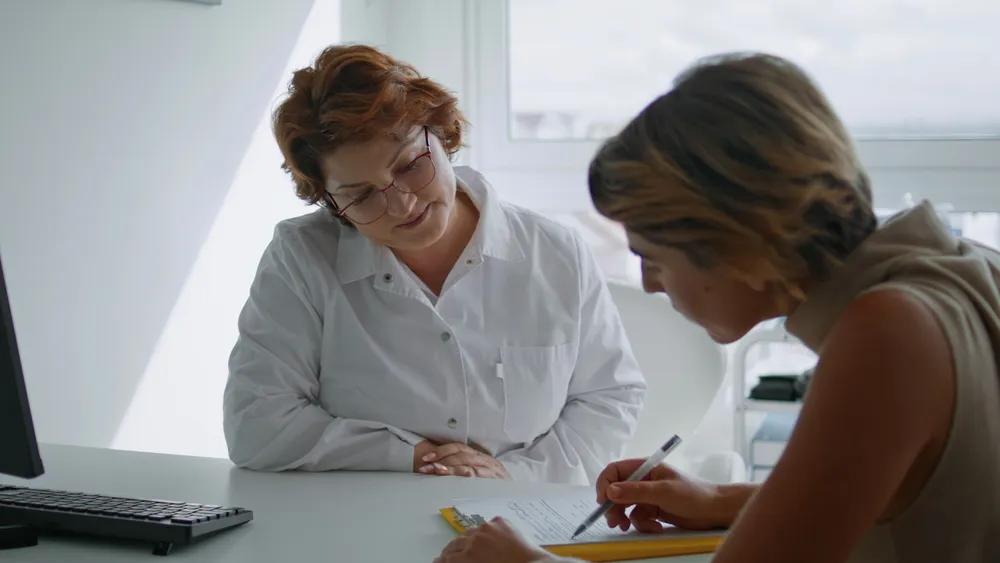
Case Managers are key to functional healthcare
I. Introduction
Healthcare changes often. The health care case manager holds a key role in helping patients get complete and organized care. Modern health systems are more complex than they used to be. We need skilled professionals to manage these many details. Case managers advocate for patients and act as links between different medical providers. They work to improve patient results and use resources well. Case managers combine the views of patients and the views of providers. This creates a clear and set way to give medical care. It helps people use services well and improves the total quality of care. Nurse case managers have many duties in acute care settings. They find risks and organize care for patients. They help patients learn how to manage their own health. These actions contribute to saving money for the hospital system. They make patients and staff feel better about the care they receive.(Roache J, 2024)(N/A).
AIHCP offers a Case Management Program to help train individuals in the basics of Healthcare Case Management.
A. Definition and Importance of Health Care Case Management
Health care case management is a system that coordinates and provides full care for patients. This process meets their needs in a direct way. This method improves patient results. It manages costs and how the health care system uses its resources. Studies show that case management brings together patient and provider satisfaction. It helps teams of different experts use nursing staff in the best way. This work helps find risks early and supports shared care. These actions are necessary in medical systems that grow more complex today. People must know what this role means. This helps them see how case managers improve patient care and fight for resources.(Roache J, 2024). Furthermore, it plays a vital role in early risk identification and collaborative care, which are essential for navigating increasingly complex health care environments (N/A). Understanding its definition and significance is fundamental for identifying the multifaceted role that health care case managers play in improving patient care and advocating for resource allocation.
II. Primary Responsibilities of Health Care Case Managers
In healthcare, case managers play a key part in making sure patients get full care for their specific needs. Their main duties include care coordination. They organize services across different health providers. This helps with smooth changes and stops broken care for the patient. Case managers teach and give power to patients. They help them see how their own daily actions change their health results. Recent talks on health and wellness in this area show this fact. Managing money matters. Case managers work hard to use resources well and reach results that save money for patient well-being. Writing on team methods in case management shows this clearly. This varied work improves both the quality and speed of patient care.(Teresa M Treiger et al., 2013). Furthermore, financial management is crucial, as case managers work diligently to optimize resource utilization and achieve cost-effective outcomes centered on patient welfare, as emphasized in literature examining interdisciplinary approaches to case management (N/A). This multifaceted role ultimately enhances both the quality and efficiency of patient care.
A. Coordination of Patient Care and Services
Health care case managers must coordinate patient care and services. This work helps patients get better results in a broken health care system. The Case Management Society of America says that unified case management methods help case managers look at every part of a patient's life. They do not just treat a single isolated health issue. This framework focuses on helping different health care providers talk to each other. This helps patients receive care that fits their own lives. Case managers find health risks early and use team plans to guide patients through difficult health care systems. These plans reach goals that keep costs low and patients healthy. The case manager connects different services and helps keep the care process smooth for everyone involved in the treatment.(Lindblom S, 2020)(N/A). As such, the case manager acts as a vital conduit, bridging the gaps between services and enhancing overall care continuity.
III. Impact of Health Care Case Managers on Patient Outcomes
Healthcare case managers change patient results in big ways, and they coordinate care and handle resources. These managers work as links between patients and medical systems. They work to help people get the specific care they need for their health. This work makes patients happier and stops care from becoming messy. Messy care often leads to poor health results. For example, adding nurse case managers to teams helps patients look after themselves better. They use resources in ways to save money for everyone. This reduces time spent in the hospital and raises the quality of life for the patient. It makes patients more satisfied with their care. These managers find risks early and help medical staff work together. This helps patients move through complex systems. These steps lead to better health for everyone involved.(Roache J, 2024). Furthermore, by identifying potential risks early and fostering collaborative relationships among healthcare professionals, case managers effectively streamline patient navigation through increasingly complex systems, ultimately resulting in better overall health outcomes (N/A).
A. Enhancing Quality of Care and Reducing Hospital Readmissions
Health care case managers have a duty to improve care quality and lower hospital readmission rates at the same time. Nurse case managers help health care providers talk to each other through complete case management. They make sure that patients get steady and organized care. This team model is necessary for managing chronic illnesses. Managers find risks early and use proactive actions to shorten hospital stays and help patients recover. Case managers play a key role in teaching patients how to care for themselves. They show them how to use the health care system to give them control and make readmission less likely. Medical studies show that case management improves patient satisfaction and uses resources well. These actions lead to higher quality care and better health results.(Roache J, 2024)(N/A).
IV. Conclusion
The role of the health care case manager is central in helping patients get better health results. They help the health care system use all its limited resources more wisely. These managers coordinate care well to connect patients and providers. This work makes both groups feel more happiness and satisfaction with their experience. Case managers combine patient needs with clear financial budget plans. This mix helps them handle difficult parts of modern medicine. They lower risks and help people find their way through complex systems. Case management helps clients take better care of themselves. It makes care less broken so patients and staff live better lives and feel happier. Finding health risks early and working as a team helps the process. These steps create plans that save money and meet the health needs of every individual person.(Roache J, 2024). Moreover, early risk identification and a collaborative team dynamic serve as critical components in promoting cost-effective strategies that address individual health needs (N/A).
Please also review AIHCP’s Case Management Certification Program.
A. Summary of the Critical Role and Future Outlook of Health Care Case Management
Health care case management is central to the medical system. It helps organize care and improves patient outcomes. This job helps medical teams work together and puts patient needs first. These actions lead to better satisfaction and resource use. Nurse case managers use this method to stop disconnected care and save money on health services. Recent studies show these workers help clients take care of themselves. They make certain patients get good care at every step. This is key for managing difficult cases like acute care, see . The future of this field looks bright. There is a growing focus on finding risks early and working together. This helps patients move through the medical system, see ..(Roache J, 2024). Furthermore, the future of health care case management appears promising, with a continually evolving emphasis on early risk identification and collaborative care, ensuring patients can navigate the increasingly intricate healthcare landscape, as discussed in